
YOUR BAG

🚨🌎 Your cart is empty.
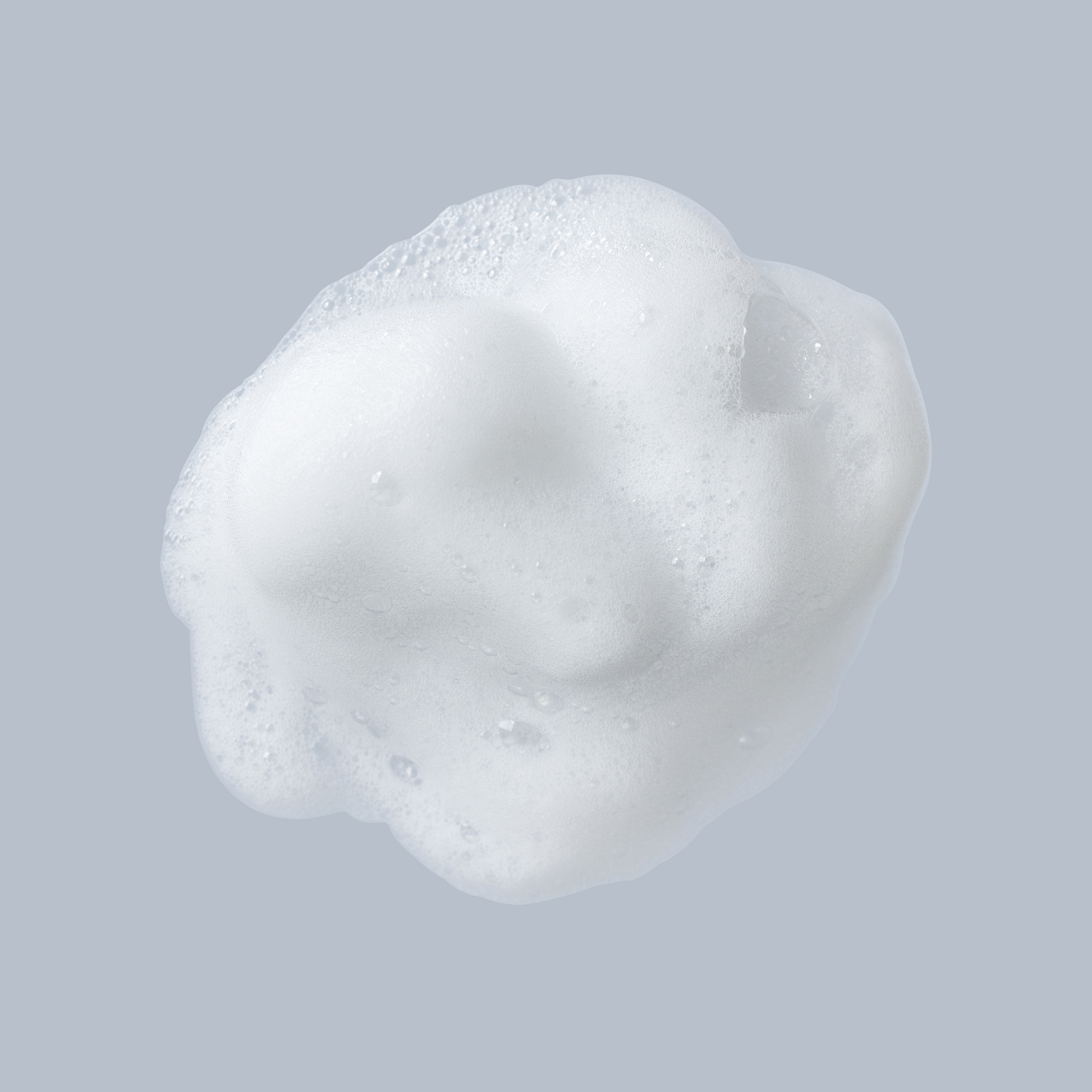
There’s something enchanting about foam — the way bubbles appear in your hands, soft and airy, transforming a simple product into something far more indulgent. But have you ever wondered why lather feels so good, or why so many people associate it with cleanliness, comfort, and even a touch of luxury?
At its core, foam is science in action. When surfactants — the cleansing agents in soaps and shower gels — meet water and friction, they trap air and create bubbles. These bubbles increase the surface area of the cleanser, making it more effective at lifting away dirt and oil. But beyond functionality, foam provides something more: an experience.

The velvety texture of lather appeals to our senses on multiple levels. Touch-wise, it cushions the skin, creating a silky layer that makes washing feel soft and smooth. Visually, the cloud-like appearance is both playful and soothing, reminiscent of childhood bubble baths. And on a psychological level, foam taps into deep associations of purity and care — it’s the sensation of being enveloped, comforted, and pampered.
There’s also a cultural dimension to foam. In many traditions, from Turkish hammams to Japanese bathing rituals, the richness of bubbles is seen as a sign of quality. A luxurious foam suggests not just cleansing, but renewal — a ritual of washing away fatigue and embracing relaxation.So, the next time you find yourself covered in a soft blanket of bubbles, pause for a moment. Notice how the lather doesn’t just clean — it transforms. It’s a tiny piece of everyday luxury, a reminder that science and pleasure can beautifully intertwine.
.png)